Thomas Jefferson's Monticello was added to Your Favorites!
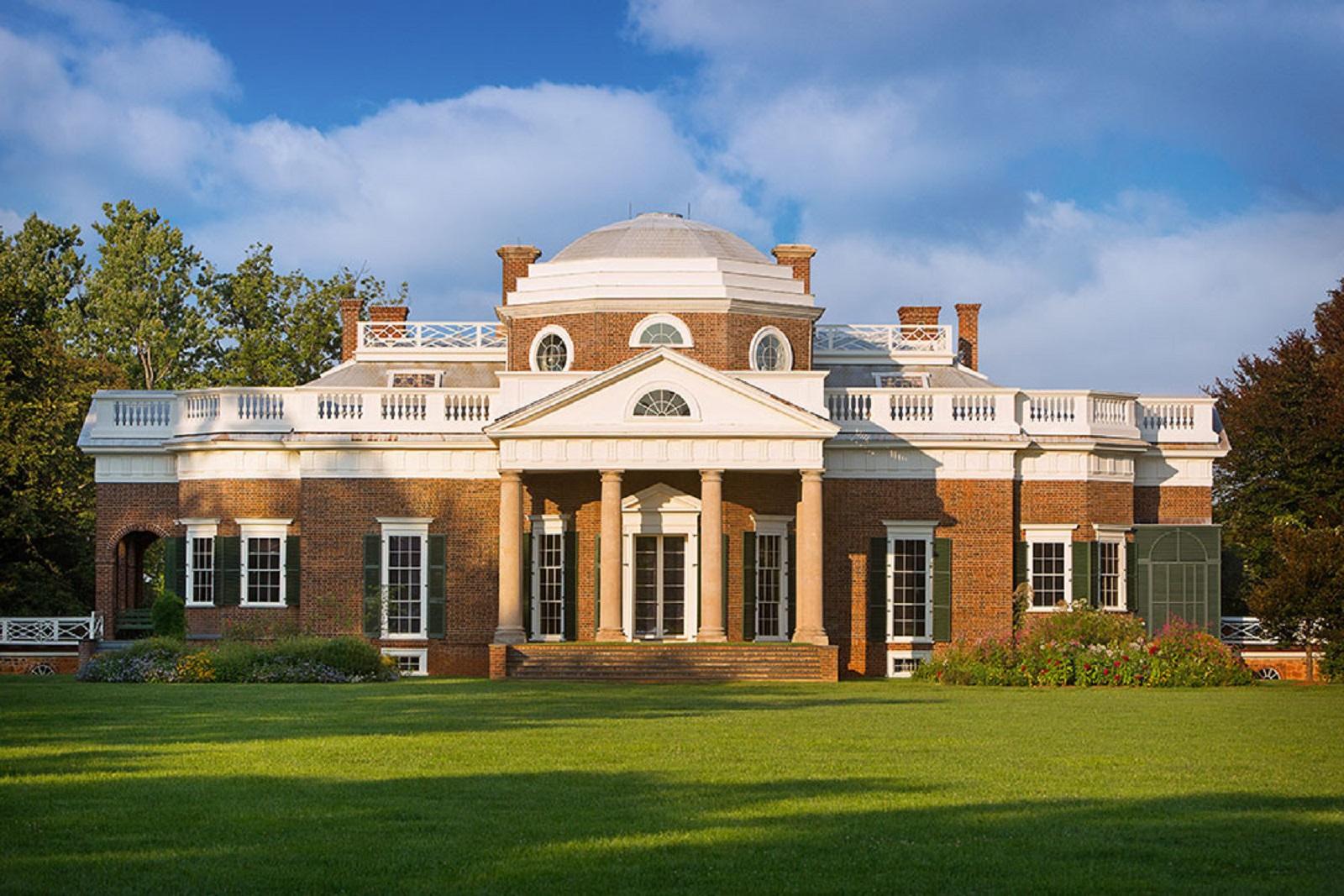
Charlottesville, Virginia
Claim this place to tell your story your way.
Monticello, along with the University of Virginia, was designated a UNESCO World Heritage Site in 1987 for its architectural significance and historical importance.
Thomas Jefferson, the third President of the United States, was the principal designer of Monticello, drawing inspiration from classical European architecture.
Monticello features a hidden room known as the 'Dome Room,' which was originally intended as a storage space but is now a highlight of the house tours.
Construction of Monticello began in 1768 and continued until 1809, reflecting Jefferson's evolving architectural tastes and ideas.
The Great Clock at Monticello, designed by Jefferson, ingeniously indicates the day of the week and is powered by gravity using cannonball weights.
Monticello was not only Jefferson's home but also a plantation where enslaved African Americans worked, contributing to its operations and maintenance.
Jefferson used the gardens at Monticello as a botanical laboratory, experimenting with various plant species and agricultural techniques.
The name 'Monticello' is derived from Italian, meaning 'Little Mountain,' reflecting its location atop a hill in the Virginia countryside.


