Mount St. Helens National Volcanic Monument was added to Your Favorites!
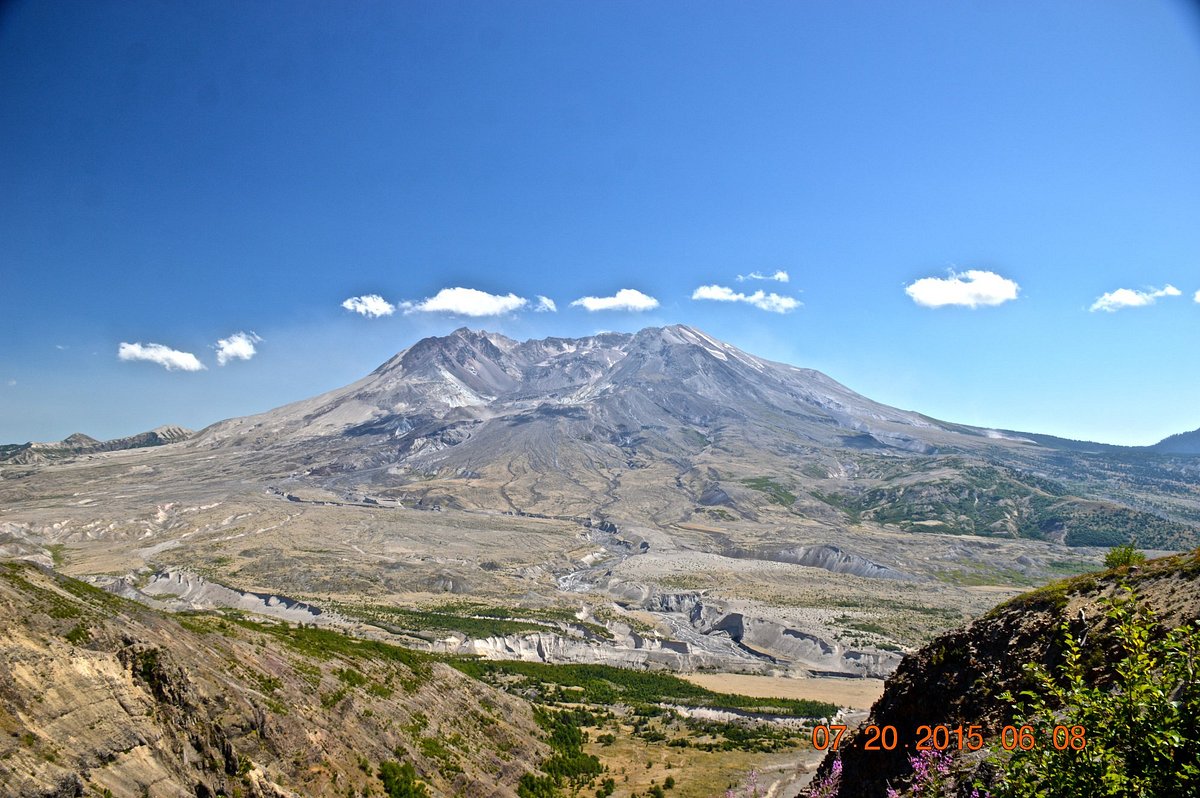
Cougar, Washington
Claim this place to tell your story your way.
Mount St. Helens is considered one of the most active volcanoes in the contiguous United States, with its last significant eruption occurring in 2008.
The 1980 eruption of Mount St. Helens reduced the elevation of the mountain's summit from 9,677 feet to 8,363 feet, creating a mile-wide horseshoe-shaped crater.
The Mount St. Helens National Volcanic Monument was established in 1982 to allow for scientific research and education about volcanic activity and recovery.
Despite the devastation from the 1980 eruption, the area has become a living laboratory for studying ecological recovery, with diverse plant and animal life returning to the region.
The eruption caused a massive landslide that raised Spirit Lake's bed by about 200 feet, altering its ecosystem and creating a natural dam.
The Ape Caves, located on the south side of Mount St. Helens, are the longest continuous lava tube in the continental United States, stretching over two miles.
Named after volcanologist David A. Johnston, who perished in the 1980 eruption, the observatory offers educational exhibits and a panoramic view of the volcano.
Mount St. Helens holds cultural importance for Native American tribes, who have stories and traditions associated with the mountain's eruptions.


