Lockheed SR-71 Blackbird was added to Your Favorites!
Chantilly, Virginia
Claim this place to tell your story your way.
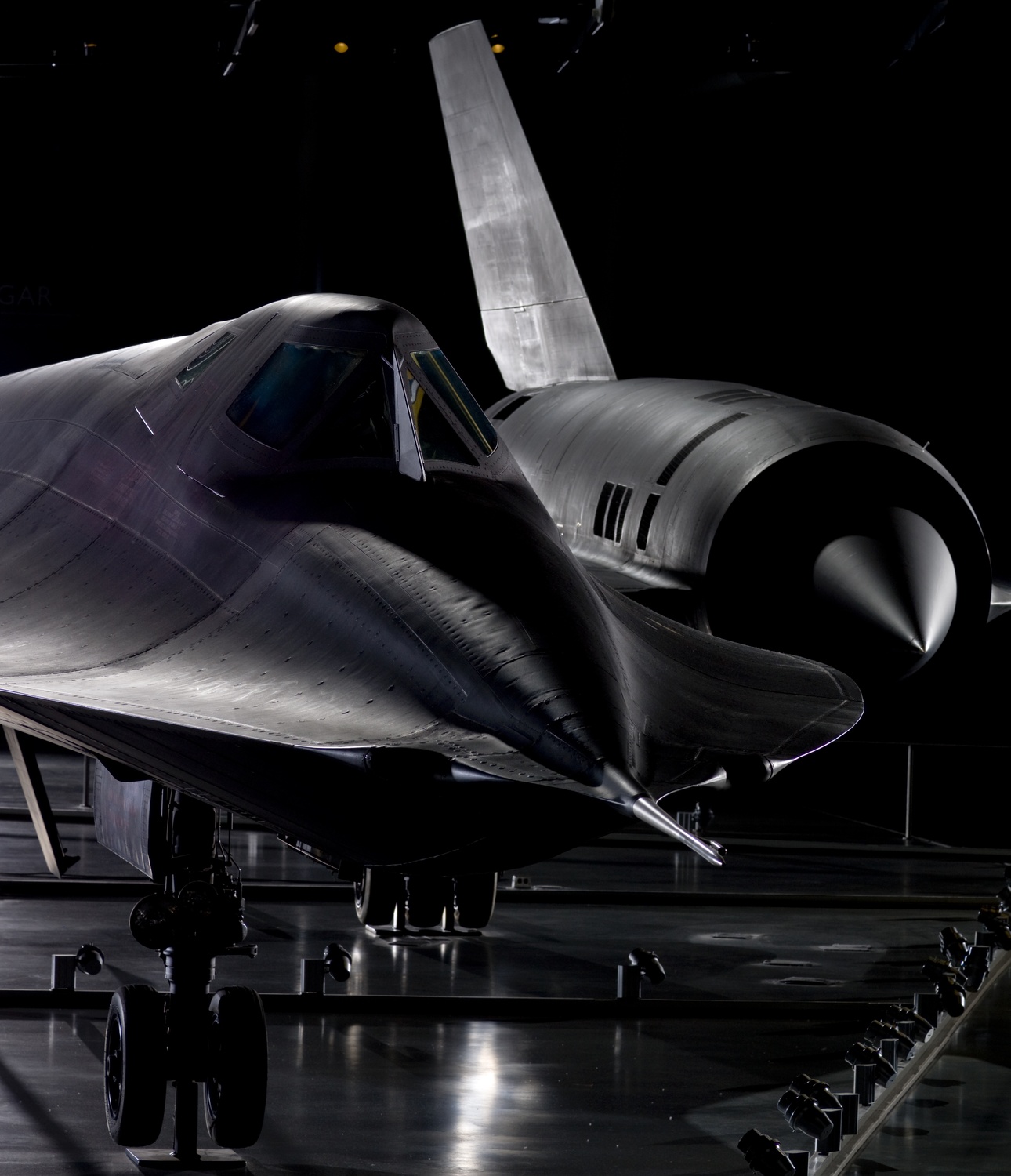
The Lockheed SR-71 Blackbird, on display at the Steven F. Udvar-Hazy Center in Chantilly, Virginia, was capable of flying at speeds over Mach 3, allowing it to outrun surface-to-air missiles.
To withstand the extreme temperatures generated at high speeds, the SR-71 was constructed primarily from titanium, sourced covertly from the Soviet Union during the Cold War.
The aircraft's black paint, which gave it the nickname 'Blackbird,' was specially formulated to dissipate heat and absorb radar signals, enhancing its stealth capabilities.
In 1976, the SR-71 set the world record for the fastest air-breathing manned aircraft, reaching a speed of 2,193.2 miles per hour, a record that still stands today.
Despite flying over hostile territories during its service, the SR-71's speed and altitude made it invulnerable to enemy defenses, and it was never shot down.
The aircraft used a special type of fuel, JP-7, which was so stable that it could be used to extinguish a match, and required an external chemical to ignite.
Due to the high altitudes and speeds, pilots wore pressure suits similar to those used by astronauts to protect them from the extreme conditions.
Despite its advanced technology, the SR-71 was only in service from 1966 to 1998, as advancements in satellite technology reduced the need for manned reconnaissance missions.


